Marathon: Where a Battle Became a Byword for Endurance
Twenty-five centuries ago, on a stretch of coastal plain barely forty kilometers from Athens, a heavily outnumbered Greek force did something that changed the meaning of the word “endurance” forever.
It is the reason this small town north of Athens lends its name to the longest-standing test of human stamina in sport, and why anyone riding through this landscape today is retracing ground that shaped Western history.
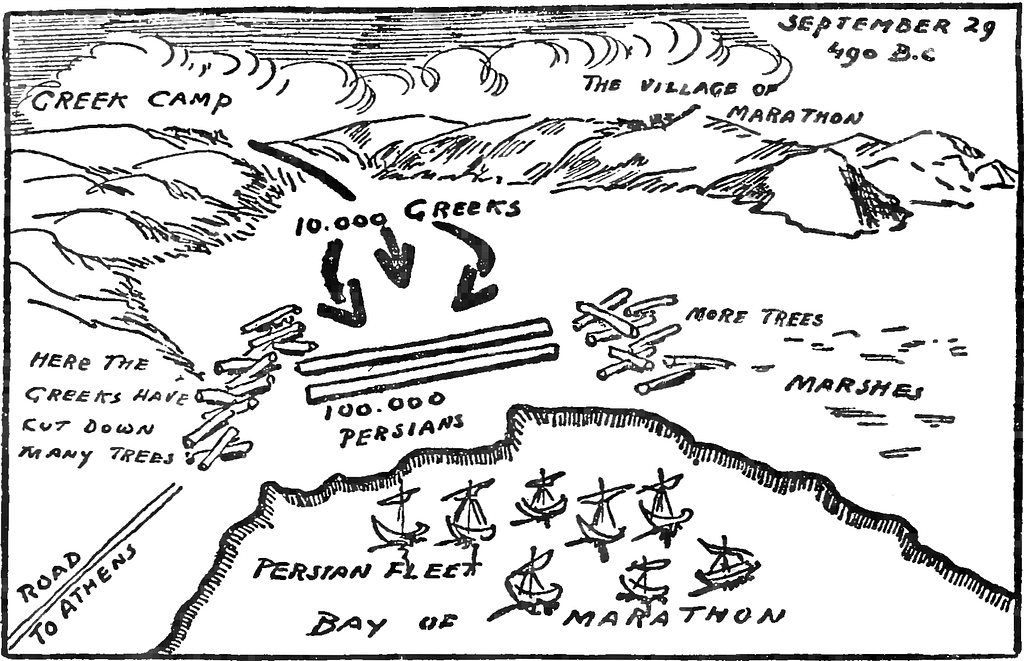
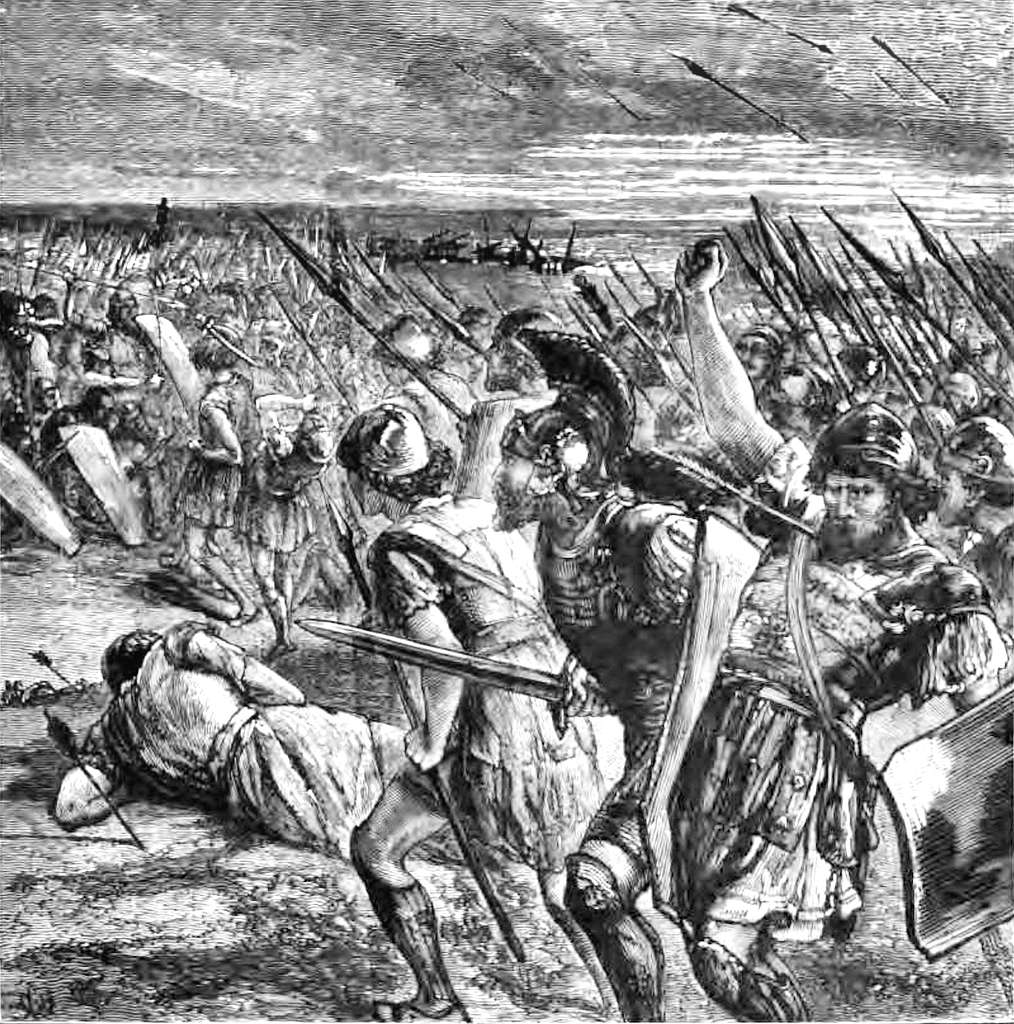
In 490 BC, the Persian Empire – the largest and most powerful state the world had yet seen – landed a fleet on the beach at Marathon, intent on crushing Athens and its short-lived experiment in democracy. The Athenians, joined by a small contingent from Plataea, fielded perhaps ten thousand men against a force that vastly outnumbered them.
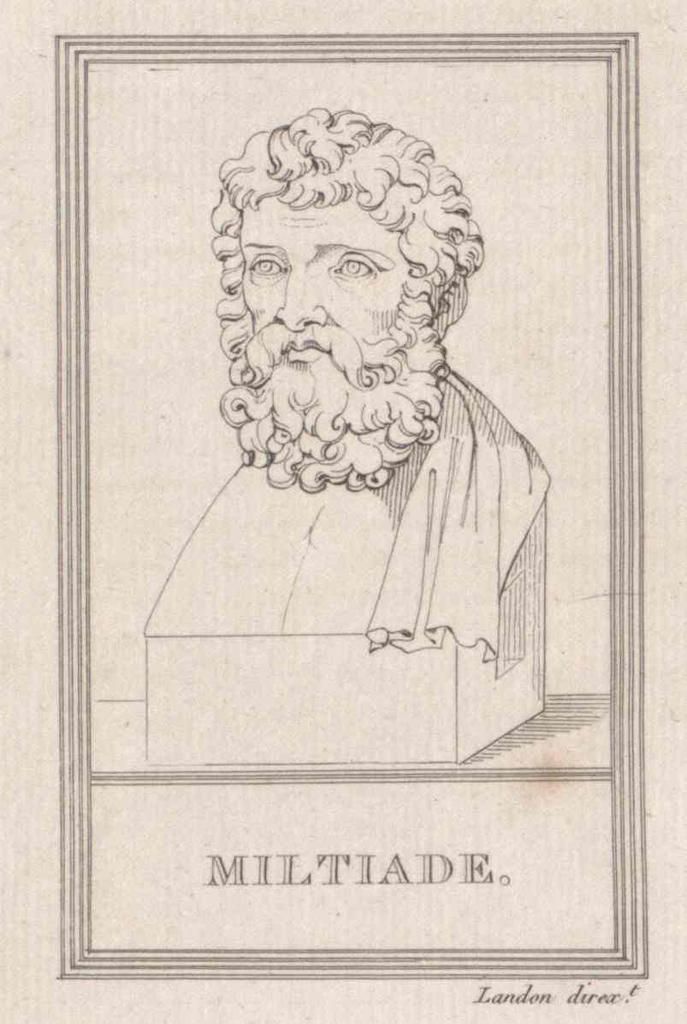
Rather than wait to be overwhelmed, the Athenian general Miltiades gambled everything on a single, audacious charge across open ground, thinning his center and reinforcing his flanks to encircle the Persian line.
The gamble worked. By the end of the day, the Persian army had been routed and driven back to its ships, while Athenian losses were remarkably light. It remains one of history’s most improbable victories, and one that bought Athenian democracy the time it needed to take root and, eventually, to shape the world.
Out of that battle grew a legend that has outlived every empire since: a soldier called Pheidippides, so the story goes, ran the roughly forty kilometers back to Athens without pause to deliver a single word – “Nenikēkamen,” we have won – before collapsing. Historians still debate how much of that story is fact and how much is myth woven together over the centuries, but its message never needed footnotes.
It is a story about a body and a will pushed past what seemed possible, in service of something larger than oneself. That story is precisely why, when the modern Olympic Games were revived in Athens in 1896, organizers created an entirely new race in its honor and named it the marathon.
That is the spirit this place still carries. Marathon is not remembered simply because a battle was fought here, but because of what that battle asked of the people who fought it: courage against impossible odds, discipline under exhaustion, and the belief that effort itself has meaning.
Riders who take on these roads are joining a very old conversation about what the human body and spirit can do when asked to give everything. Few places on earth let you pedal through history quite this directly.